

By Christopher Krzus, CFP® / Wolfstone Wealth
A portfolio should reflect the realities of your life — your income, your timeline, your equity compensation, and the risks that matter most as retirement approaches. At Wolfstone Wealth, we take the time to understand those realities before making allocation decisions.
Portfolio management built around the risks that actually matter near retirement
Portfolio management for executives and high-income professionals is not just about selecting investments. It is about constructing a portfolio that accounts for your specific retirement timeline, the concentration that often comes with equity compensation, and the sequence-of-returns risk that becomes more consequential in the years surrounding retirement.
I’m a fee-only fiduciary CFP® working with executives and high-income professionals in the Chicago suburbs and virtually across the country. My focus is understanding what is actually at stake for you before any allocation decisions are made.
Not sure whether your current portfolio is built for the stage of life you’re in?
The first conversation is a 20-minute call — no paperwork, no commitment. Just a discussion of your situation.
Most of the executives and high-income professionals who come to us already have investments in place. What they often lack is confidence that their portfolio is aligned with the risks and timelines that matter most to them. These are some questions that come up frequently.
I’m worried the market is going to drop. What should I be doing?
This is one of the most common concerns I hear, especially as retirement gets closer. The more useful question is whether the portfolio was built to handle a difficult period without forcing irreversible decisions. We address this through portfolio structure, cash reserves, and a clear process for adjusting risk when conditions change.
I don’t really know where to invest, so I mostly buy and hold. Is there a better approach?
Buy-and-hold can work, but it is not always the most appropriate approach for someone with a complex income picture, concentrated equity compensation, or a defined retirement timeline. A more deliberate process that adjusts risk based on measurable market conditions can reduce the chance of large drawdowns at the wrong time.
What happens if the market drops significantly in the years right before I retire?
A large decline in the final years of accumulation — or the early years of withdrawal — can permanently change what a portfolio can sustain. We model this risk explicitly and structure portfolios with that window in mind.
A large part of my net worth is in my company’s stock. How should I think about that?
Concentration in employer stock is one of the more common risk exposures we see. When that stock is also tied to your career, the risk compounds. We develop systematic, tax-aware diversification plans that reduce concentration over time without creating unnecessary tax problems in any single year.
I manage my own accounts. What does working with an advisor actually add?
Many self-directed investors handle security selection reasonably well. Where gaps more often appear is in the coordination: connecting the portfolio to tax strategy, managing concentration from RSUs or options, adjusting the allocation as retirement approaches, and planning the order of withdrawals so taxes do not erode more than necessary. That coordination is a core part of what we do.
Does one of these sound familiar?
If you’d like to see whether an experienced financial advisor might be the right decision for your portfolio,
schedule a 20-minute call or fill out the form to contact us | 630-640-3582
How We Approach Portfolio Management
Portfolio management for high-income professionals works best when it is built around the specific risks and timelines that matter to the client, not a generic model. At Wolfstone Wealth we focus on several connected elements:
A disciplined 10-factor risk model
We use a proprietary 10-factor model that evaluates market conditions across multiple dimensions (including valuation, trend, sentiment, interest rates, economic data, and others). The model produces a clear risk signal that guides whether portfolios should lean more aggressive, neutral, or defensive. The goal is to participate when conditions are favorable and to reduce risk when multiple factors point to elevated danger. Full details of the model are on our Investment Philosophy page.
Retirement timeline and sequence-of-returns focus
We pay particular attention to the decade surrounding retirement. Large losses early in the withdrawal phase can have lasting effects. Portfolios are structured with that risk in mind, including appropriate cash reserves and a clear plan for how income will be drawn.
Equity compensation and concentration management
For clients with significant RSUs, options, or other employer stock, we build systematic diversification plans that balance tax consequences with the need to reduce single-stock risk over time.
Tax-aware portfolio decisions
Asset location, tax-loss harvesting, and the interaction between investment decisions and the broader tax picture are considered as part of the ongoing process rather than as afterthoughts.
Clear communication
You will understand what is in the portfolio and why. We explain decisions in plain language so you can stay with the strategy during difficult markets rather than reacting to short-term noise
Portfolio Management FAQs
These are the questions we hear most often from executives and high-income professionals with equity compensation and complex financial lives. If yours isn’t here, the first conversation is a good place to start.
What is sequence of returns risk?
It is the risk that poor returns in the early years of retirement, while withdrawals are being taken, can deplete a portfolio faster than long-term averages would suggest. It is one of the more important risks to address as retirement approaches. For a deeper look at how this plays out and the safeguards we use, see our article on Sequence of Returns Risk in Retirement.
How do you decide when to take more or less risk in a portfolio?
We use a proprietary 10-factor model that continuously evaluates market conditions. When the collective signal is constructive we maintain or increase growth exposure. When multiple factors deteriorate we reduce risk. The process is rules-based and designed to remove emotion from the decision.
Should I sell company stock when RSUs vest?
There is rarely a single correct answer. A systematic, multi-year approach that considers taxes, concentration, and overall portfolio balance is usually more effective than an all-or-nothing decision.
What does a fee-only fiduciary portfolio manager do differently?
A fee-only fiduciary is compensated only by clients — no commissions or product revenue. Portfolio decisions are made with the client’s full financial picture in mind rather than being influenced by what generates revenue for the firm.
Do you work with clients outside the Chicago suburbs?
Yes. Wolfstone Wealth works with executives and high-income professionals virtually across the country, with in-person meetings available for clients in Naperville, Wheaton, and the greater Chicago area. Most of the work happens by video and secure document sharing, so location is rarely a barrier.


About Christopher Krzus, CFP®
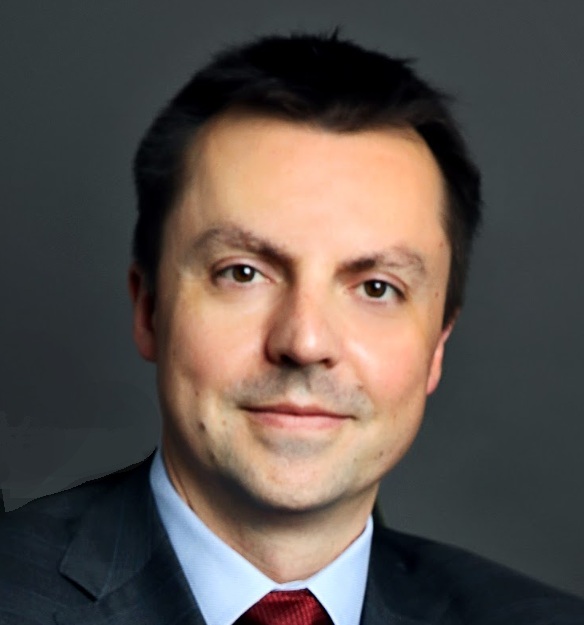
Chris Krzus is the founder and president of Wolfstone Wealth and a fee-only CERTIFIED FINANCIAL PLANNER® with more than two decades of experience. He began his career on the Chicago Board of Trade — an education in markets, risk, and the difference between conviction and noise that informs how he thinks about money to this day. He has since specialized in comprehensive financial planning and investment management for busy and successful tech and business professionals, executives in the accumulation phase, and people navigating major life transitions.
Chris works as a fiduciary, which means he is legally and ethically obligated to act in your interest at all times — not his firm’s, not a product provider’s. He earns no commissions. There are no proprietary products. Just a plan that works for you.

On the tax side specifically, Chris brings integrated thinking to the problems that fall between a tax preparer’s scope and a standard investment advisor’s: RSU and equity compensation planning, Roth conversion strategy, inheritance tax planning for growing estates, and withdrawal sequencing for clients approaching retirement. He coordinates with your existing CPA or tax professional where relevant, so nothing falls through the cracks between the people who are supposed to have it covered.
Not Sure Where to Start?
That’s exactly what the first conversation is for. Tax questions rarely have clean answers in isolation — the right strategy depends on your income, your equity comp schedule, your retirement timeline, and a handful of other things that take about 20 minutes to understand.
Schedule a 20-minute introductory call →
No paperwork. No pitch. We’ll talk about where you are and whether it makes sense to work together.